KurchuSoftware Solutions
 By
What are the four ways to get an app built?
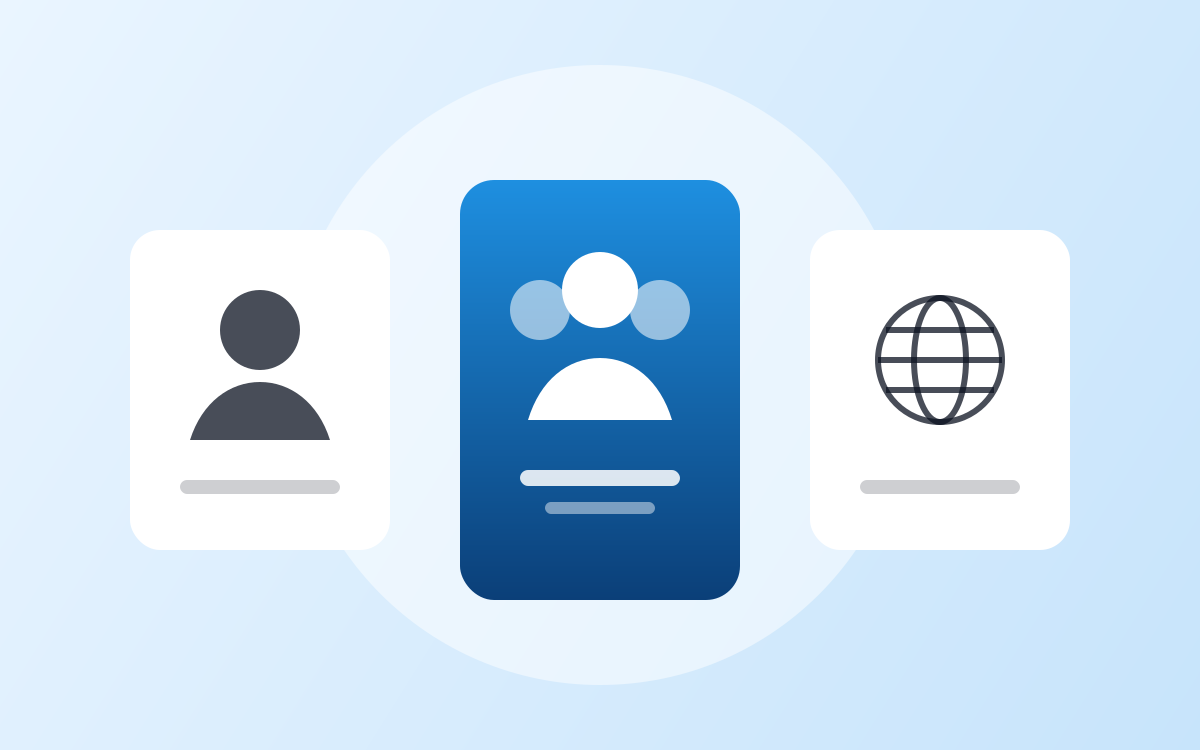
Most founders choose between a freelance developer, a local agency, an offshore or remote team, and hiring their own developers. Each can produce a good app. They differ in how much of the project you have to run yourself, and in what happens when something goes wrong.
| Freelancer | Local agency | Offshore team | In-house | |
|---|---|---|---|---|
| Who manages the project | You | The agency | The team's lead | You |
| Price for a first release | Lowest | Highest | Low to mid | Salaries plus hiring time |
| Design, QA and release included | Rarely | Yes | Usually | Only if you hire for them |
| Continuity if someone leaves | Weak | Strong | Strong with a team | Depends on team size |
| Time-zone overlap | Varies | Full | Partial — check it | Full |
| Best for | Small, well-defined tasks | Large, regulated projects | First releases on a budget | Proven products |
When does a freelancer make sense?
A freelancer suits a small, well-defined job: a landing page, a fix to an existing app, or a feature with a clear specification. The risk grows with the size of the project. You become the product manager, designer and tester, and if the developer becomes ill or takes a full-time job, the project stops with them.
When is a local agency worth the higher price?
A local agency brings full time-zone overlap, in-person workshops and the legal comfort of a contract in your own country. For large or heavily regulated projects, such as banking or healthcare platforms, that can be worth paying several times more. Check who actually builds the app, though: some agencies subcontract engineering offshore while billing at local rates.
What are the real risks of an offshore app team, and how do you reduce them?
Offshore development gets a bad reputation from projects where the client never knew who was doing the work, saw no progress for months and could not get the code back. Those are risks of the contract, not of the location, and each one can be checked before you sign:
- Named people: you should know who leads the project and who writes the code.
- Working-hour overlap: calls and demos booked inside your business day.
- Visible progress: a build you can install on your phone every week or two.
- Fixed scope per phase: a written scope and price before each phase starts.
- Ownership: code, designs, and App Store and Google Play accounts in your name from the start.
When should you hire in-house developers?
Hire your own team once the app is proven and needs continuous work, typically after launch, when you are releasing every few weeks and the product is central to the business. Before that, recruiting mobile, backend and design skills separately is slow and expensive, and the first hires often spend months on decisions an experienced team has already made many times.
How does Kurchu fit into this?
Kurchu is a remote team based in Lahore, Pakistan, working with clients in the UK, USA, Canada and the UAE. We aim to give you an agency's accountability at a price closer to a freelancer's: prices start from $100 and grow with the app's scope — every feature, platform and design choice adds a set amount from our published price table. Most first releases reach the stores in 5–13 weeks, with calls inside your working hours and the code yours from the first commit.